'%3e%3cg%20id='Group%2036729'%3e%3cpath%20id='Line%2025'%20d='M6%2010H27'%20stroke='%23fff'%20stroke-width='2'%20stroke-linecap='round'/%3e%3cpath%20id='Line%2026'%20d='M6%2016H27'%20stroke='%23fff'%20stroke-width='2'%20stroke-linecap='round'/%3e%3cpath%20id='Line%2027'%20d='M6%2022H27'%20stroke='%23fff'%20stroke-width='2'%20stroke-linecap='round'/%3e%3c/g%3e%3c/g%3e%3cdefs%3e%3cclipPath%20id='clip0_182_1325'%3e%3crect%20width='32'%20height='32'%20fill='white'/%3e%3c/clipPath%3e%3c/defs%3e%3c/svg%3e)
2026 Seminar on AI-Driven Teaching Reform and Instructional Innovation Concludes Successfully in Chizhou, Bringing Together Global Experts to Explore New Horions of AI-Empowered Education
August 18, 2026, Chizhou, China - The 2026 Seminar on AI-Driven Teaching Reform and Instructional Innovation kicked off in Chizhou.
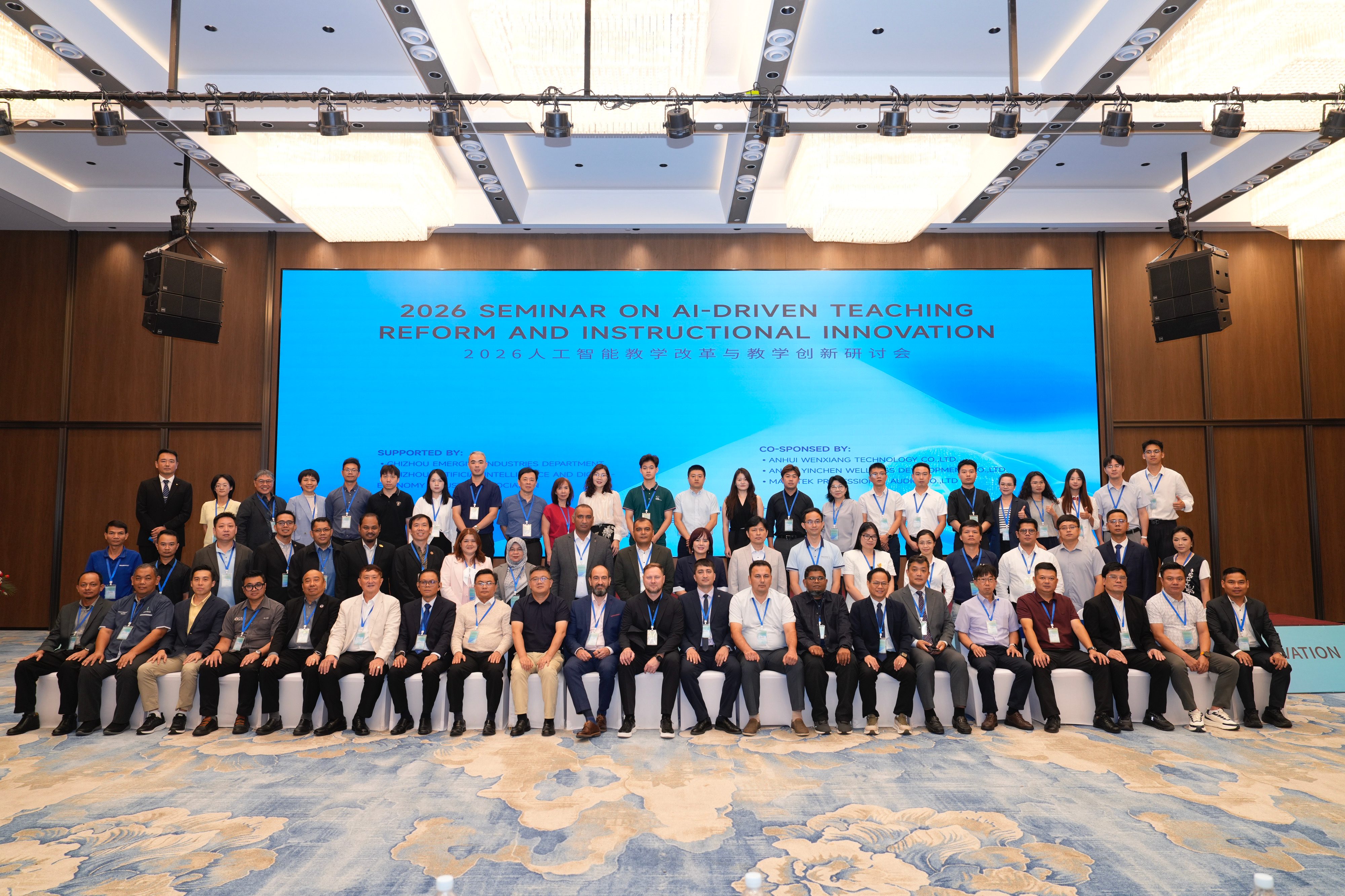
Distinguished Chinese attendees included Cao Xia, Deputy Mayor of Chizhou Municipal People’s Government; Wang Xiancai, President of Chizhou Vocational and Technical College; Tang Haiyang, Member of the Party Working Committee and First Class Investigator of Wanjiang Jiangnan Emerging Industries Centralised Zone; Zhu Yurong, Chairman of WenTech; and Miao Xiuyun, Vice President and General Manager of Overseas Business Division at WenTech. Joining them were education experts, university representatives and industry leaders from Malaysia, Thailand, Uzbekistan, Vietnam, Indonesia, the Philippines, the Republic of Korea, Russia and more. Centered on the theme “AI-Driven Teaching Reform and Instructional Innovation”, participants exchanged cutting-edge ideas, showcased real-world innovations and jointly mapped out the blueprint for education development in the intelligent era.
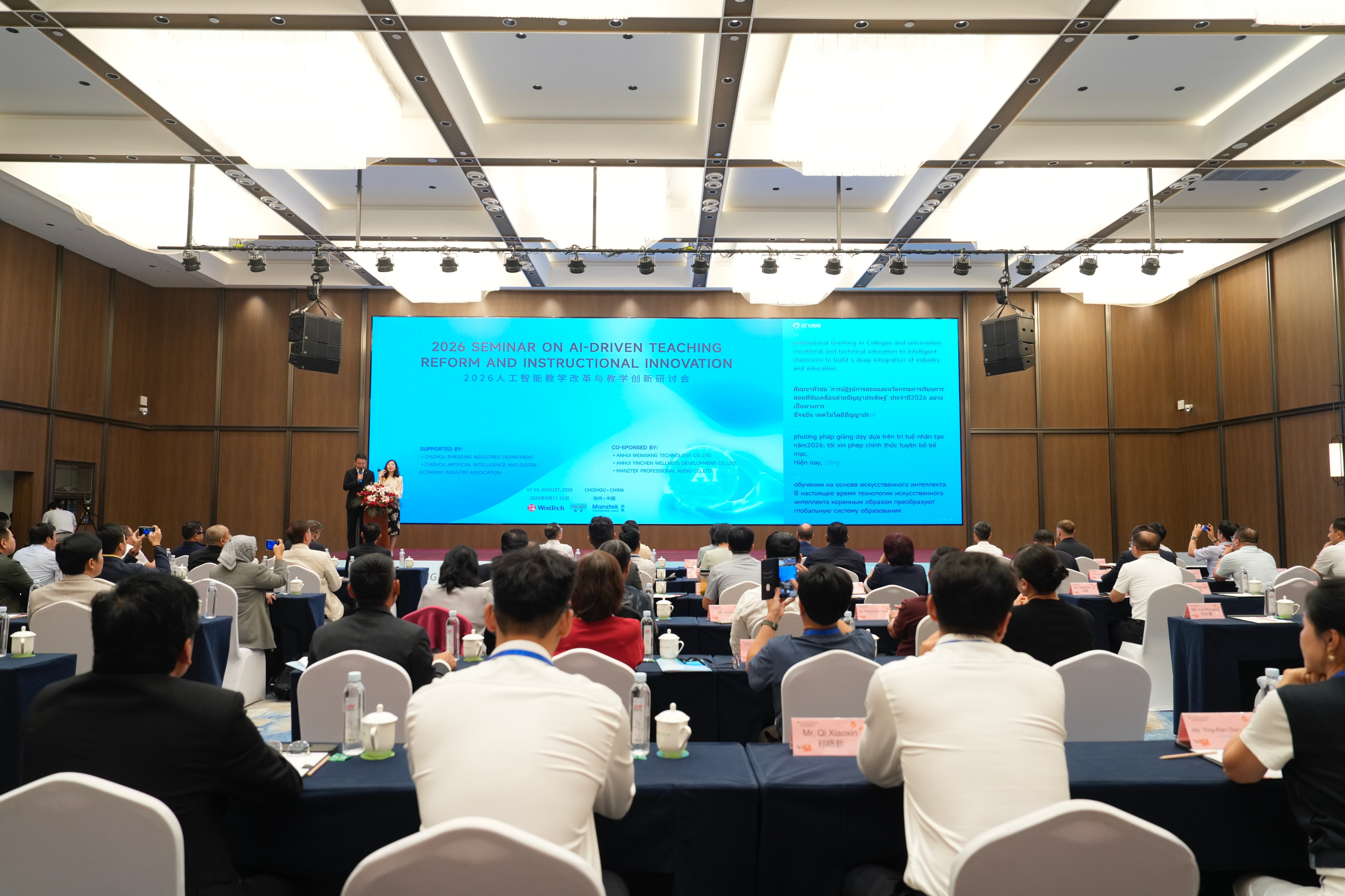
Opening Remarks: Charting a New Mission for AI-Enabled Education
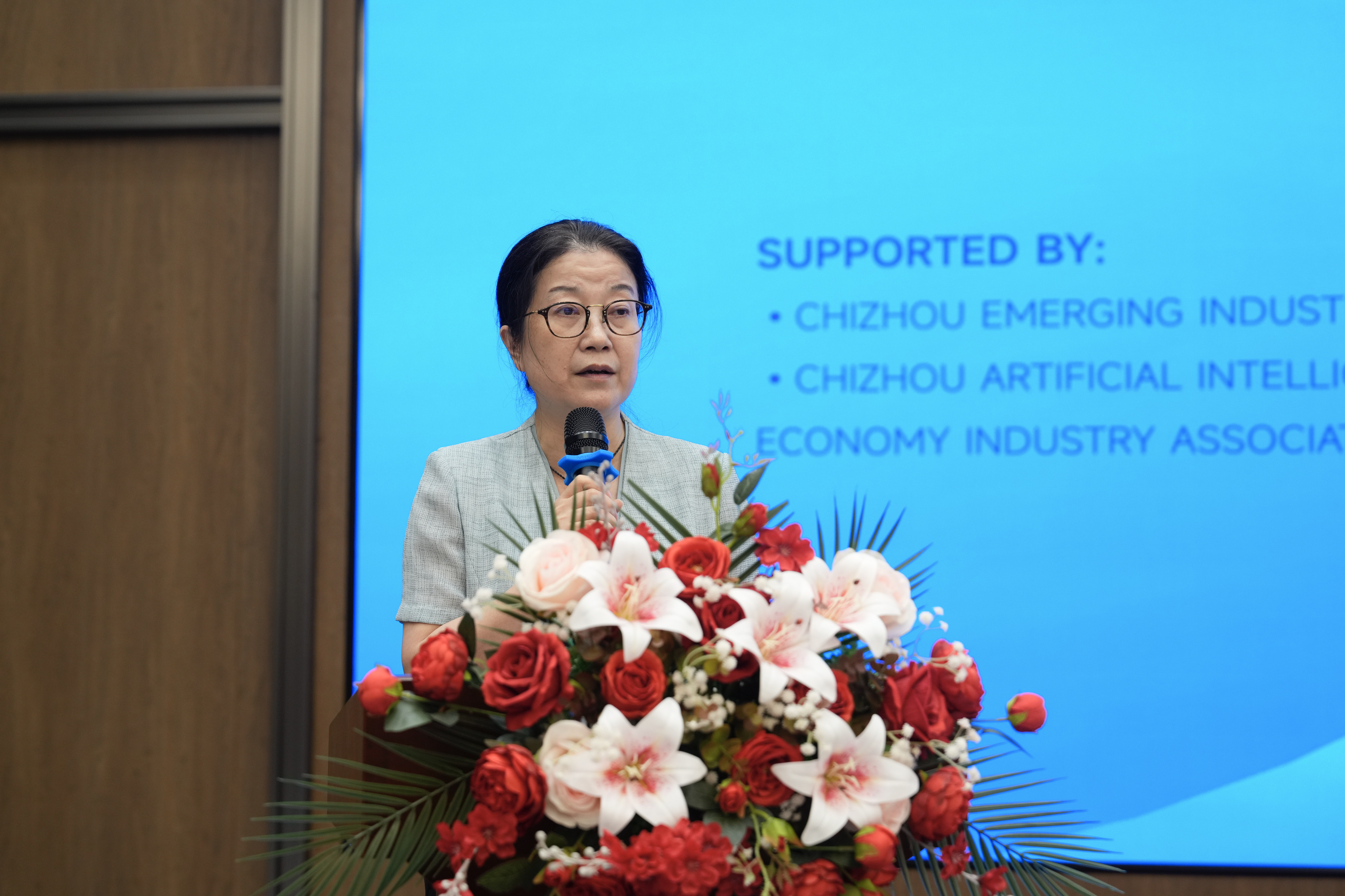 At the opening ceremony, Cao Xia, Deouty Mayor of Chizhou, delivered a welcome address on behalf of the host city. She outlined Chizhou’s four core urban positioning. Deputy Mayor Cao noted that Chizhou pursues scenario-led development. Supported by outstanding local enterprises such as WenTech, the city is advancing AI-powered smart education and advancing deep integration between artificial intelligence and education. She expressed hope that the seminar would generate fresh insights for global education innovation.
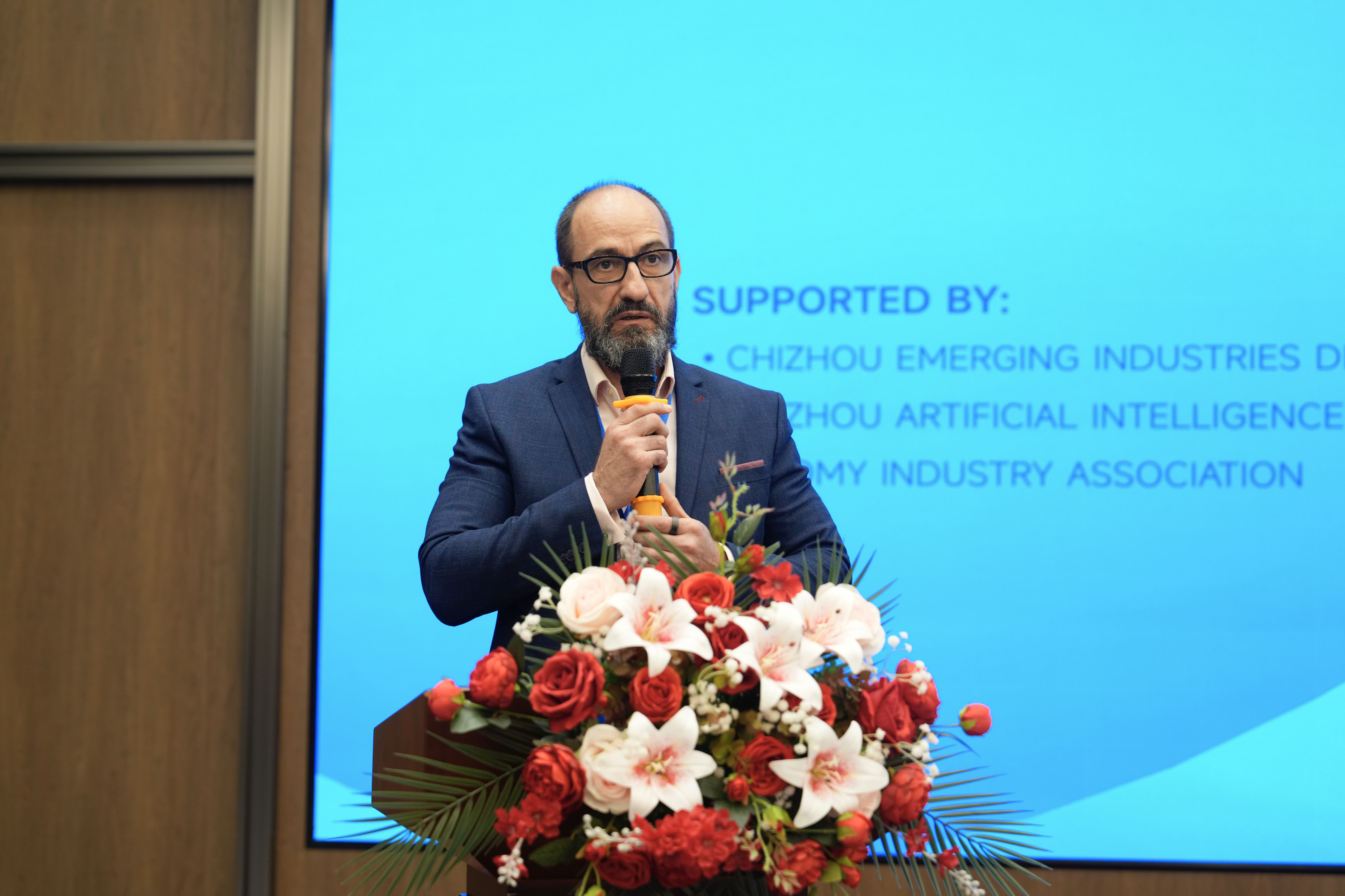 Mikhail Gasymov, Representative of Russia’s ED Group, shared hands-on experience with AI-powered education in Russia. He stated that 64% of secondary-school students and 63% of teachers in Russia already apply AI in daily teaching and learning, with the related market growing at nearly 30% annually. Gasimov highlighted AI as a national-level priority topic. He called for sustained regular exchanges and in-depth China-Russia collaboration in AI-enabled education to deliver greater value for learners and educators.
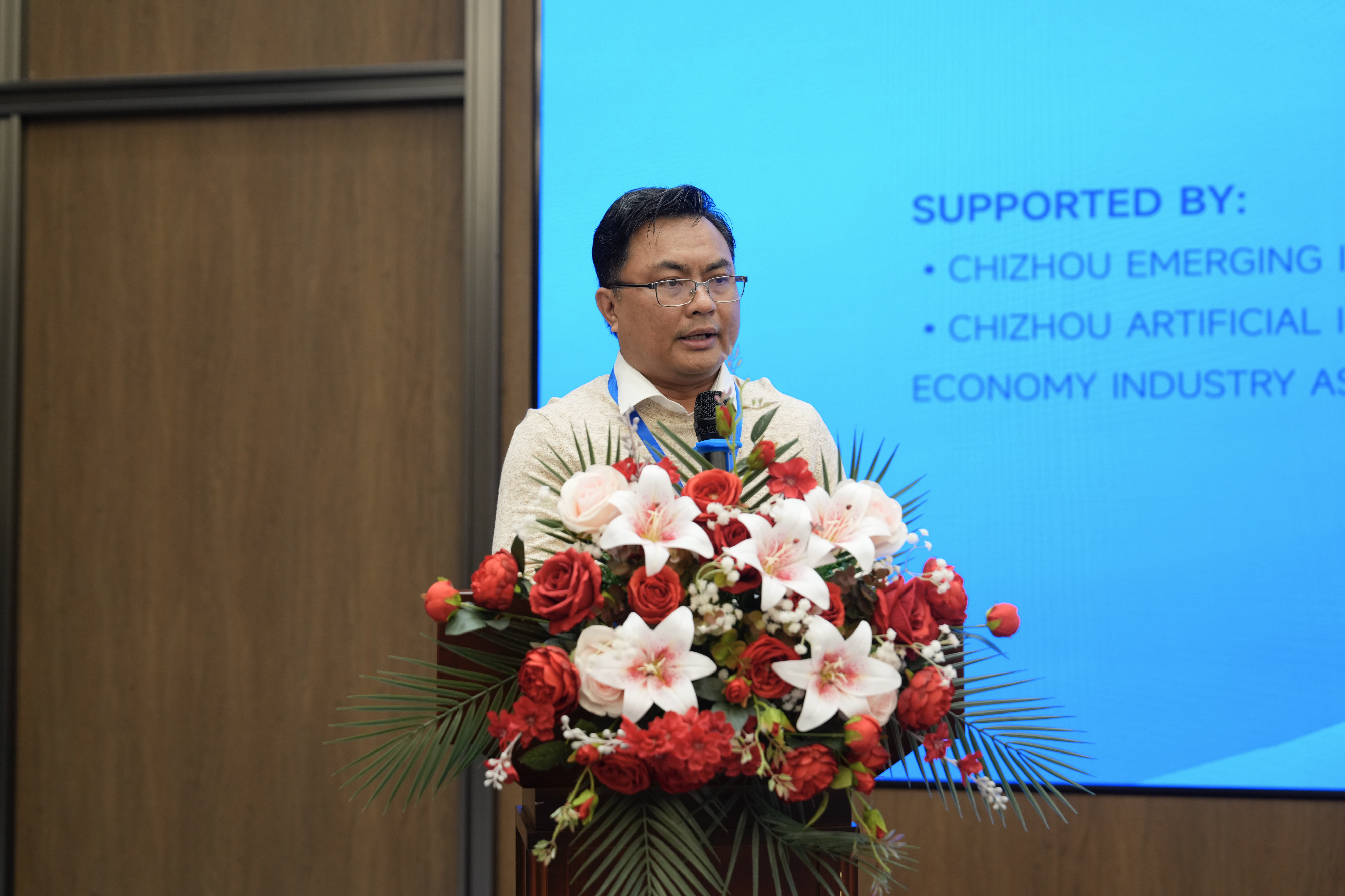
Professor Dr. Khushairi, President of University Kuala Lumpur, addressed both transformative opportunities and challenges brought by AI. He stressed that AI will not replace teachers or students’ critical thinking capabilities. Instead, it serves as an empowering tool to foster students’ creative and independent thinking. Malaysia’s higher-education ecosystem is strengthening international partnerships to build new competencies for AI and digital transformation. Professor Khushairi looked forward to co developing interdisciplinary, responsible AI education solutions with global peers at the seminar.
Keynote Speeches
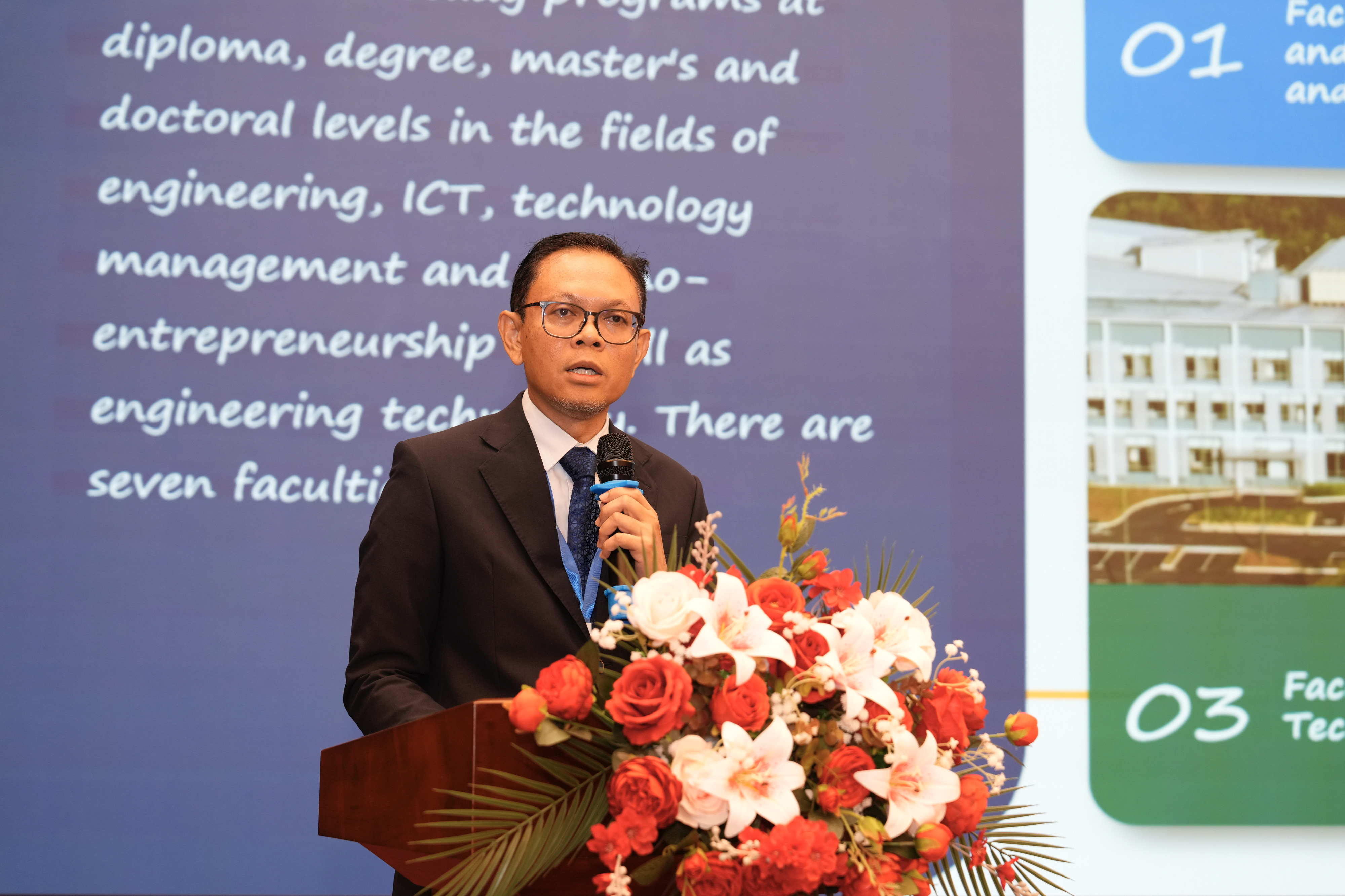
Professor Dr. Zahriladha Zakaria, Deputy Vice-Chancellor University Teknikal Malaysia Melaka, presented Advancing Technical Higher Education Through Artificial Intelligence: Transforming Teaching, Driving TVET Excellence and Strengthening Industry Collaboration. He pointed out that AI is reshaping the landscape of job-market skill requirements, and defined three pillars for AI-driven transformation: personalised learning, excellence in Technical and Vocational Education and Training (TVET), and deep-rooted industry collaboration. He unveiled the university’s proprietary “5P Framework” and showcased innovative ecosystems including its Digital Factory and Industry Hub. He argued that higher education institutions must evolve from knowledge providers into innovation drivers.
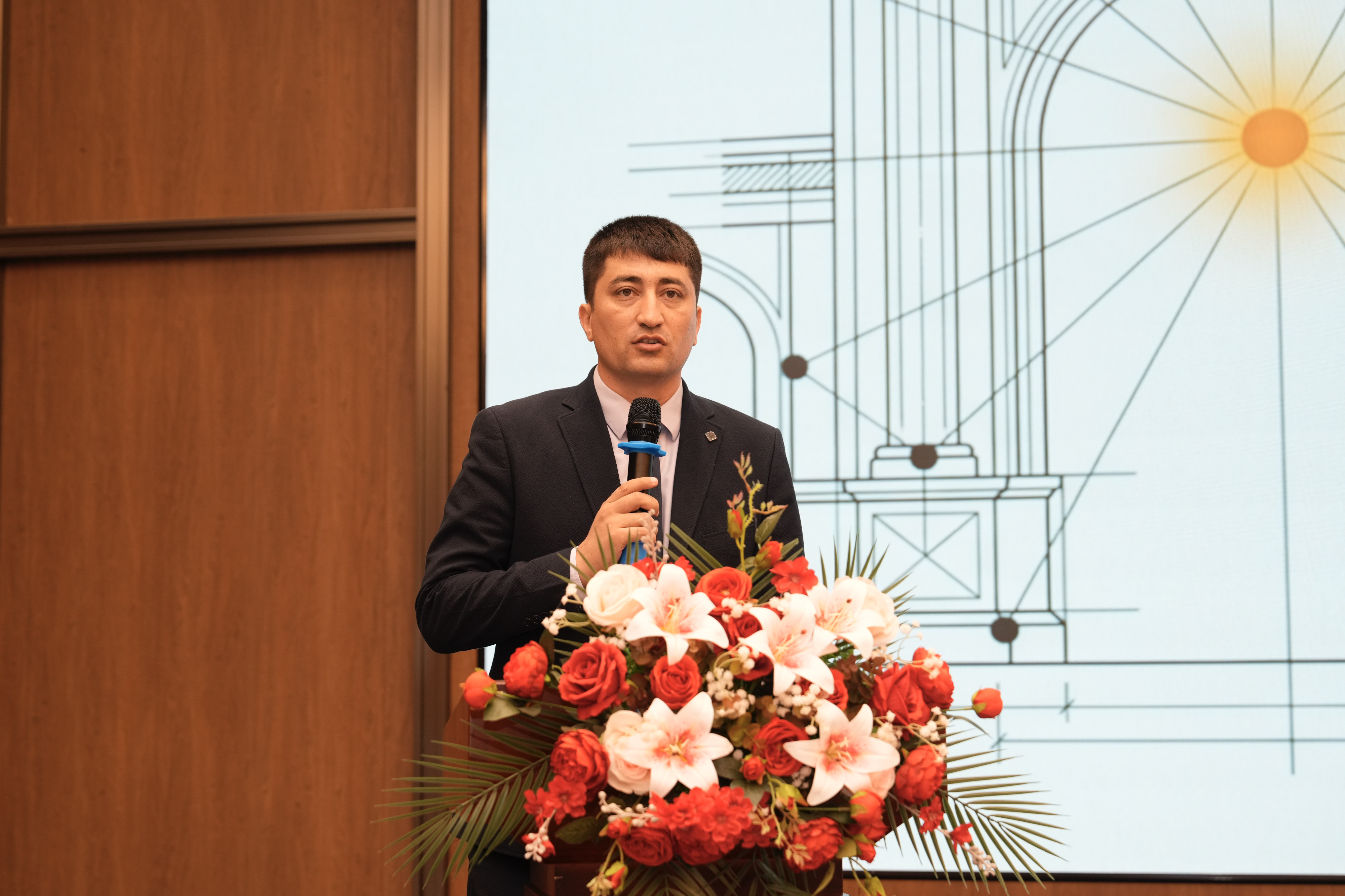
Shokhabos Sharofiddinov, Head of International Cooperation Department Bukhara State University (Uzbekistan), delivered the presentation Prospects of implementing AI technologies in the educational and management processes of Bukhara State University. He viewed AI not merely as a technical tool but as a strategic enabler for optimising university operations. By building an Intelligent University Ecosystem, institutions can achieve end-to-end intelligence across teaching, research and administration. He introduced the BuxDU AI Tutor concept, which delivers round-the-clock personalised academic support for students.
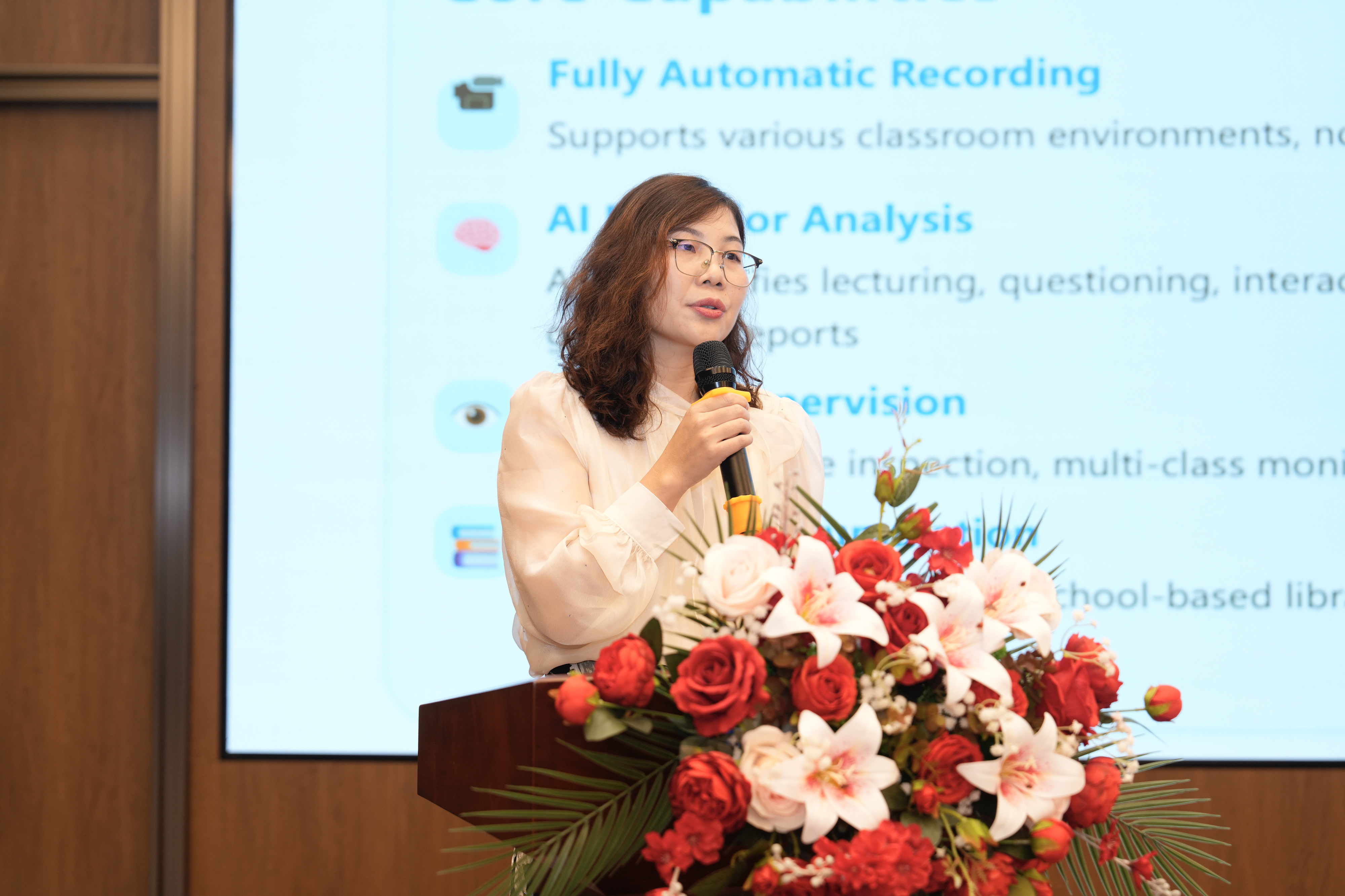
As one of the event co-organisers, Miao Xiuyun, Vice President and General Manager of the Overseas Business Division at WenTech Group, gave the keynote Building a New Smart-Education Ecosystem Empowered by AI. Miao addressed pressing pain-points faced by educators: overwhelming choices of AI tools, time consuming classroom attendance tracking, uneven access to learning resources across remote regions, and inefficient classroom monitoring for school administrators. WenTech’s solution brings AI capabilities to every corner of the classroom: AI-enabled cameras support non-intrusive attendance tracking, random student calling and behavioural analytics. AI-powered lecture recording systems automatically generate teaching-activity heat-maps and summaries of student learning status.
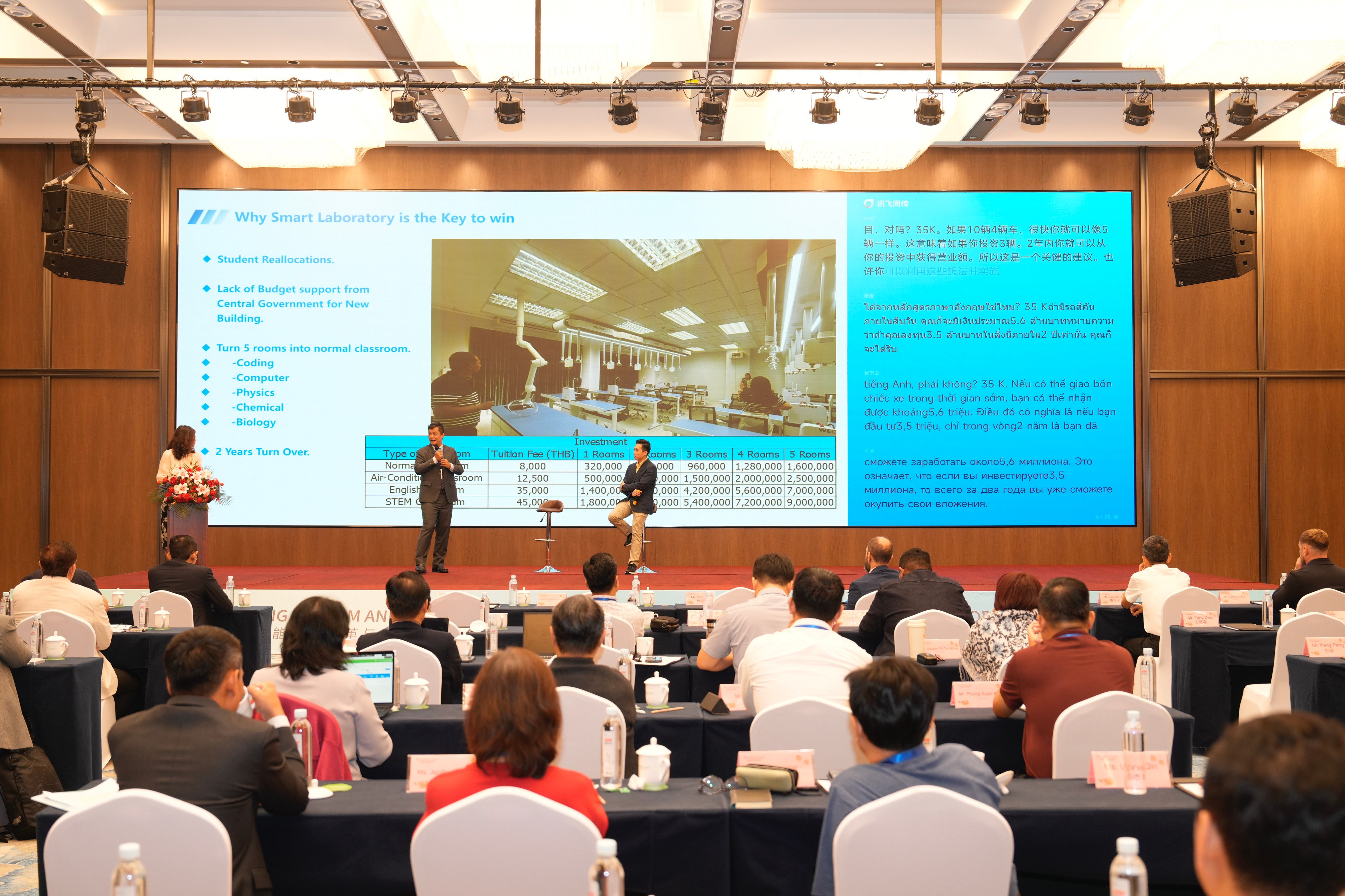 During her speech, Miao invited Kim, Education Consultant from Thailand, and Vincent, Solution Specialist from Malaysia, to join her on stage. Kim explained that amid falling birth rates and overcrowded classrooms in Thailand, smart laboratories enable multi-purpose use of physical space with return-on-investment achievable within two years. Vincent demonstrated how vocational colleges in Malaysia adopt WenTech AI lecture recording systems to achieve breakthroughs in hybrid hands-on practical training combining on-site and online learning.
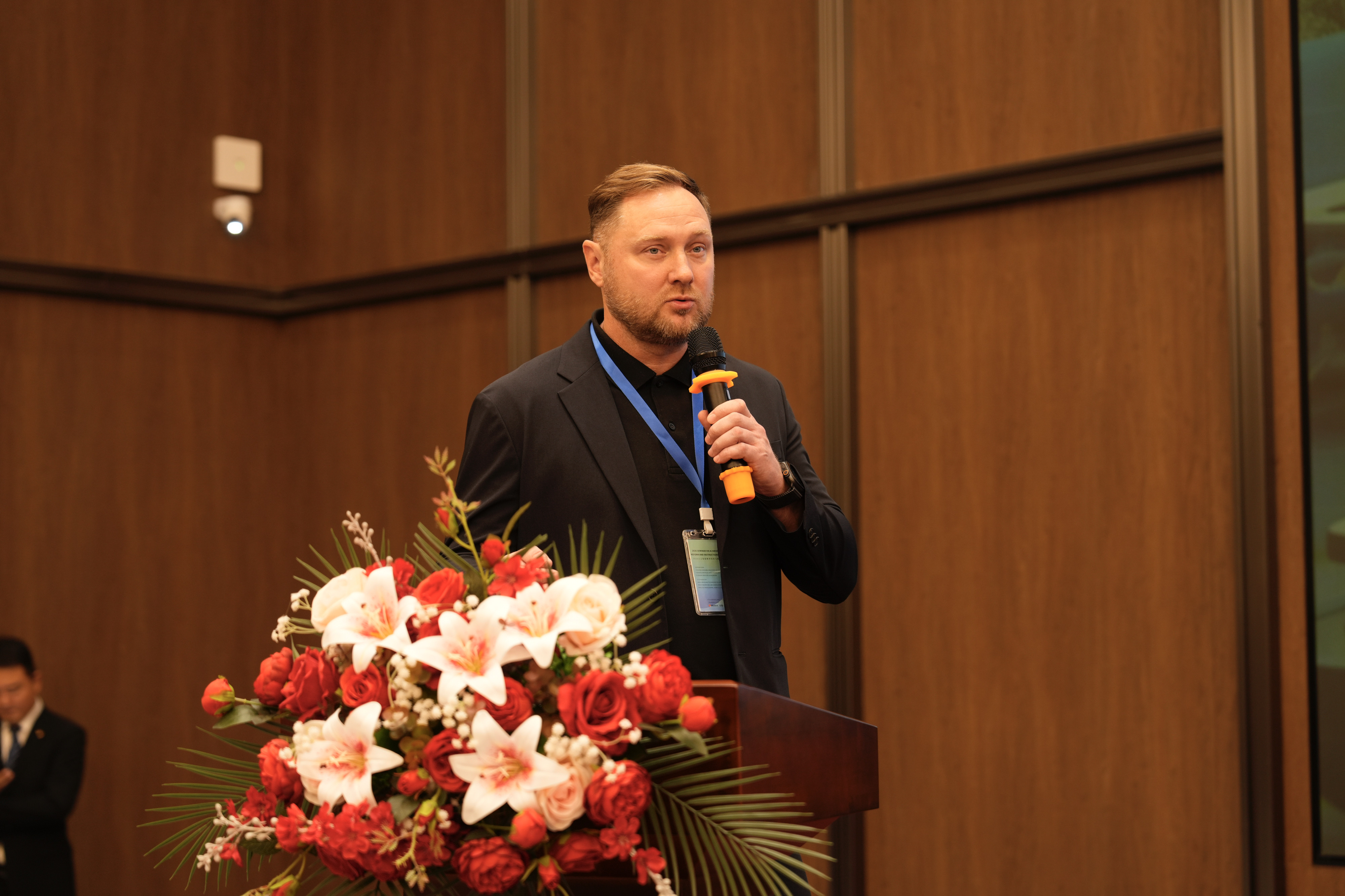 Chekmizev Kim, Chief Technology Officer of Russia’s CTC Group, presented AI in Russian Education Practice丨Trends Cooperation with China. He analysed persistent education-sector challenges including excessive administrative burdens for teachers and low student engagement. He observed that AI is evolving from mere content generation towards autonomous agent-style capabilities, acting as educators’ “silent collaborators”. He highlighted huge cooperation potential between China and Russia covering smart classroom hardware and AI-education research.
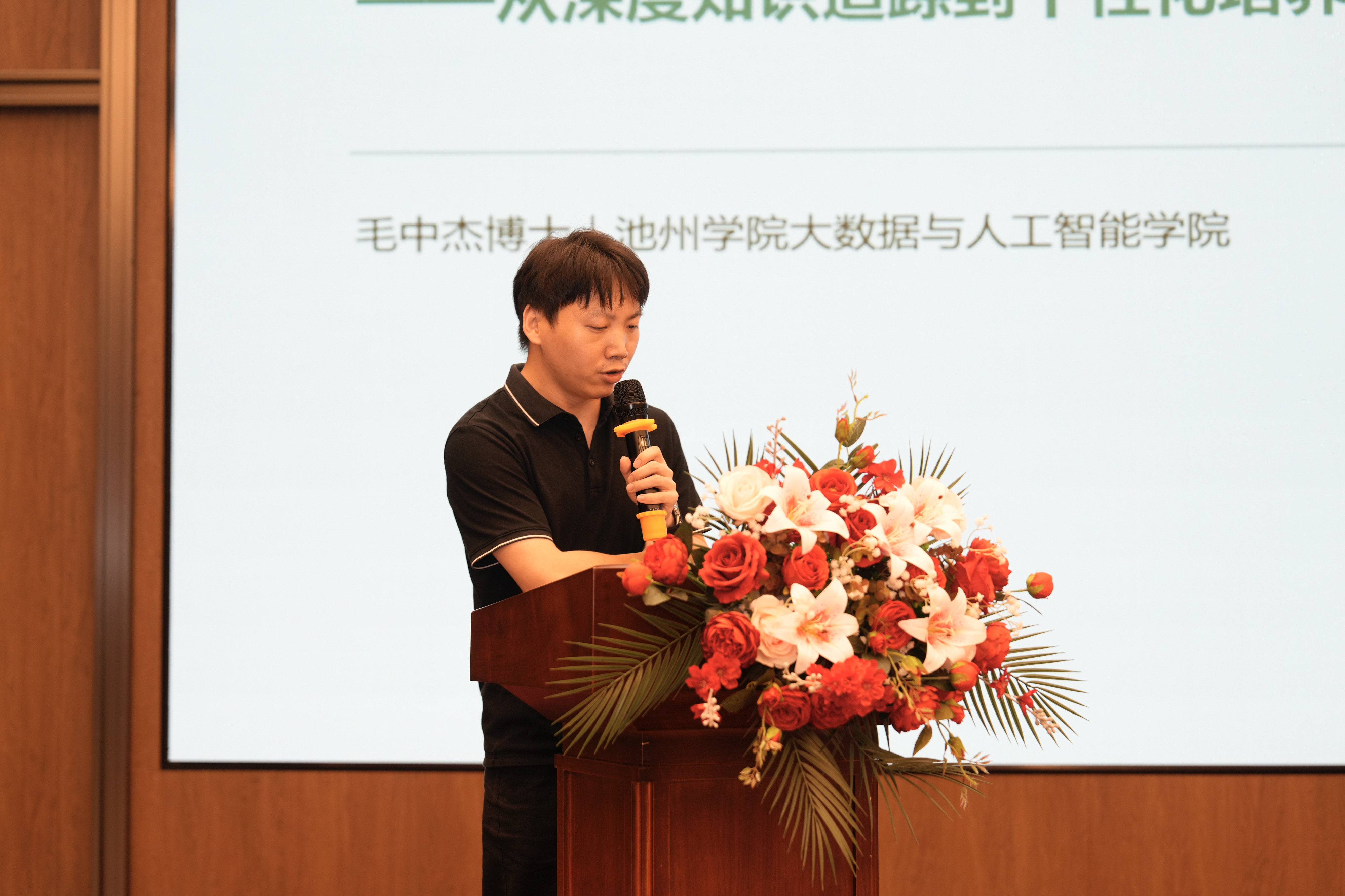 Dr Mao Zhongjie from the School of Big Data and Artificial Intelligence, Chizhou University, shared Exploration of AI-Driven Teaching Reform and Talent-Training Models. He noted that AI-generated content does not equate to personalised education. True personalisation must answer three core questions: what learners already know, why learning gaps occur, and what learning steps should follow next. Dr Mao proposed constructing dynamic learner profiles combining knowledge tracing, cognitive diagnosis and large model semantic enhancement, transforming AI from a generic answer generator into a learning companion delivering targeted intervention. Drawing on a drone-pilot training case study, he illustrated extending knowledge tracing into multi-modal competency assessment, and emphasised integrating theory with hands-on practice to boost training outcomes.
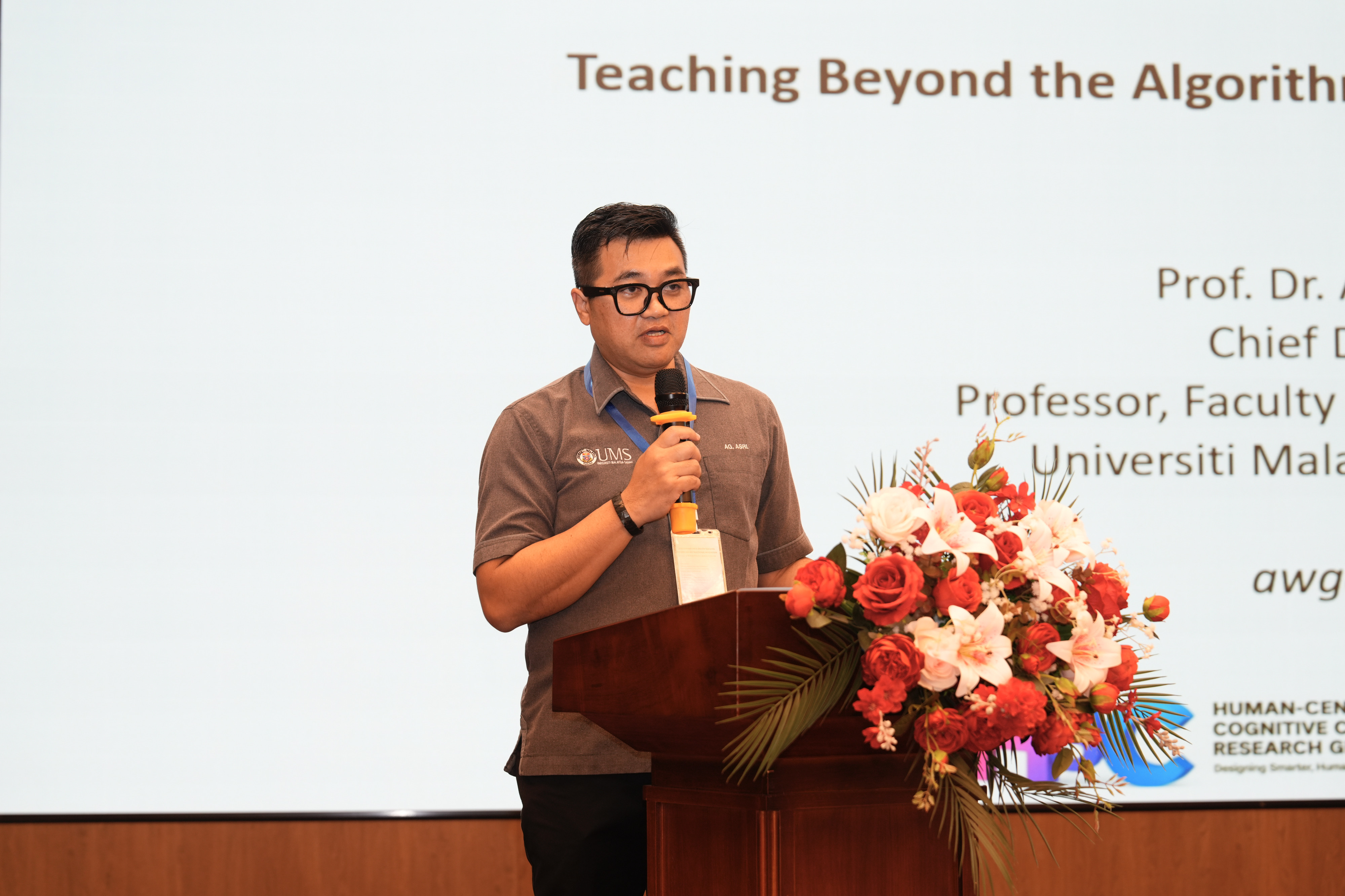 Professor Dr. AG Ibrahim, Chief Digital Officer of University Malaysia Sabah, delivered Teaching Beyond the Algorithm: Human-Centred Innovation in the Age of Artificial Intelligence. He pointed out that while AI can explain concepts and generate assignments, educators retain core responsibilities: identifying learners’ confusion, building learner confidence, and connecting knowledge to real-world life experiences. He advocated a human-centred framework prioritising purpose over technology, learner agency over automation, dialogue over content delivery, and human judgement over uncritical acceptance of machine outputs. He suggested shifting assessment strategies away from anti-AI writing restrictions towards redesigned assignments that prevent AI from completing the full intellectual workflow independently, preserving space for students’ active critical thinking.
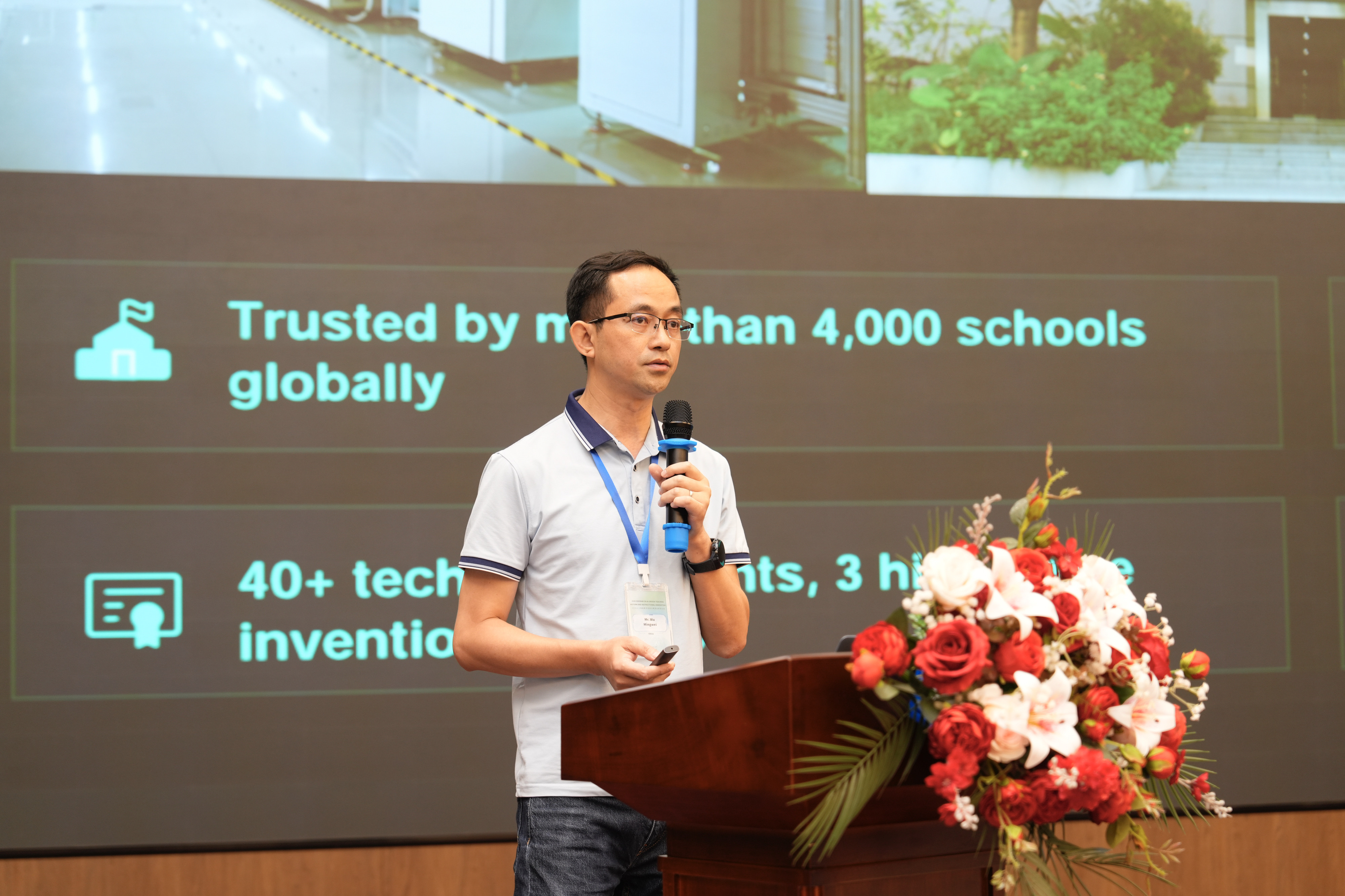 Wu Mingwei, CEO of Manztek Technology, addressed frequently overlooked classroom audio-experience challenges in his talk AI-Driven Infrared Audio Solutions for Education. Targeting pain-points such as room echo and poor audibility for students seated at the back of classrooms, the solution leverages infrared wireless transmission paired with AI-powered automatic feedback control, ambient-noise reduction and auto-gain control, to ease teaching workloads and guarantee clear audio reception for all learners.
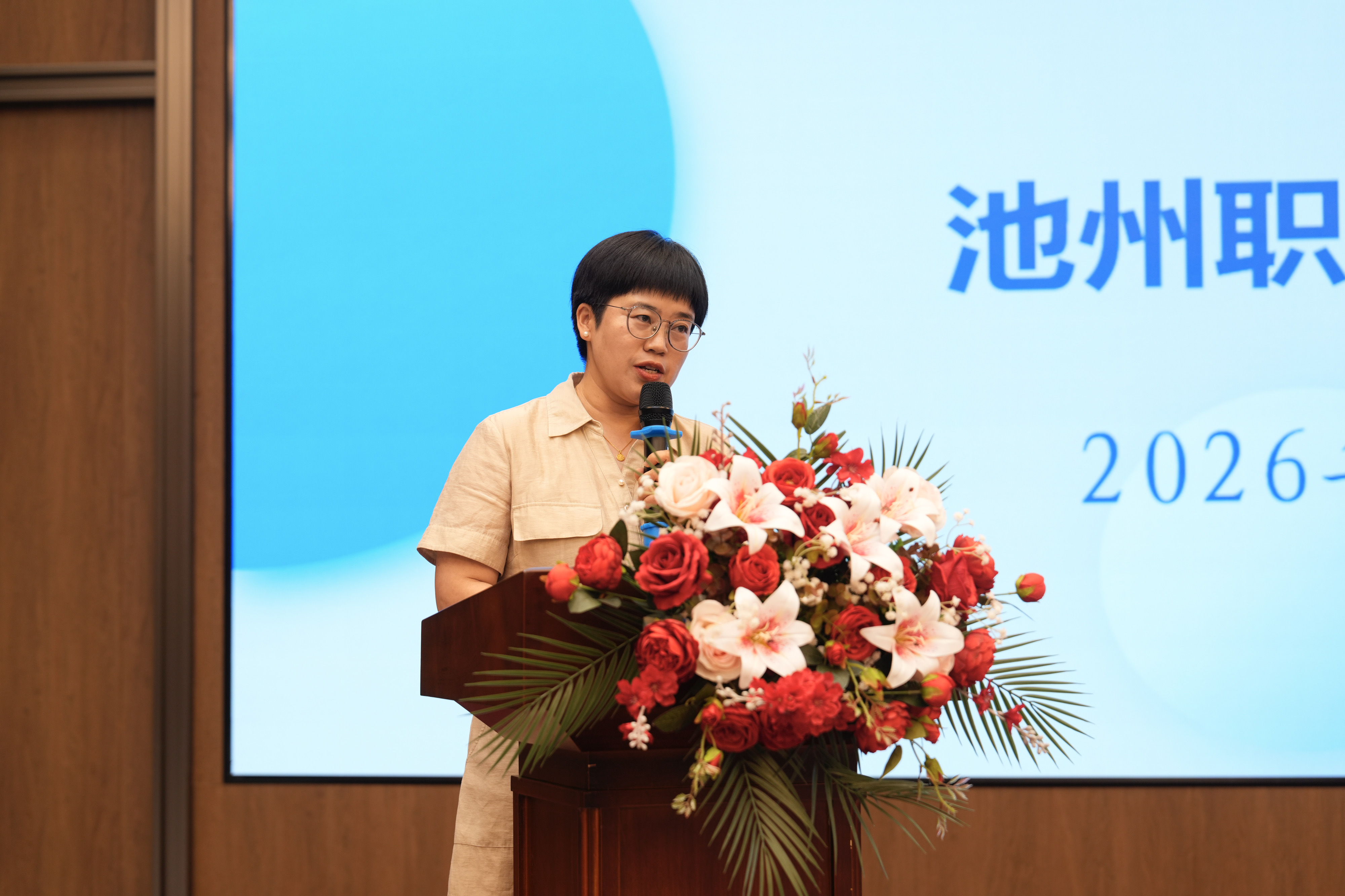 Professor Liu Hongxia from Chizhou Vocational and Technical College presented Empowering Innovative Practices in Vocational Education with Large Language Models. She tackled key bottlenecks in vocational education: opaque learning processes, imprecise teaching evaluation and high costs for practical training. She showcased local practices at Chizhou Vocational and Technical College: job-competency maps aligned with Chizhou’s local semiconductor industrial chain, in-house vocational-education-oriented large language models, knowledge-graph-driven student competency profiling, and inquiry-driven intelligent teaching agents that push students toward higher-order thinking. Her team has piloted an innovative model combining virtual simulation training with large-model capabilities. She reaffirmed that large models augment rather than replace teachers, enabling a new industry-education integration paradigm of “human-AI collaborative teaching”.
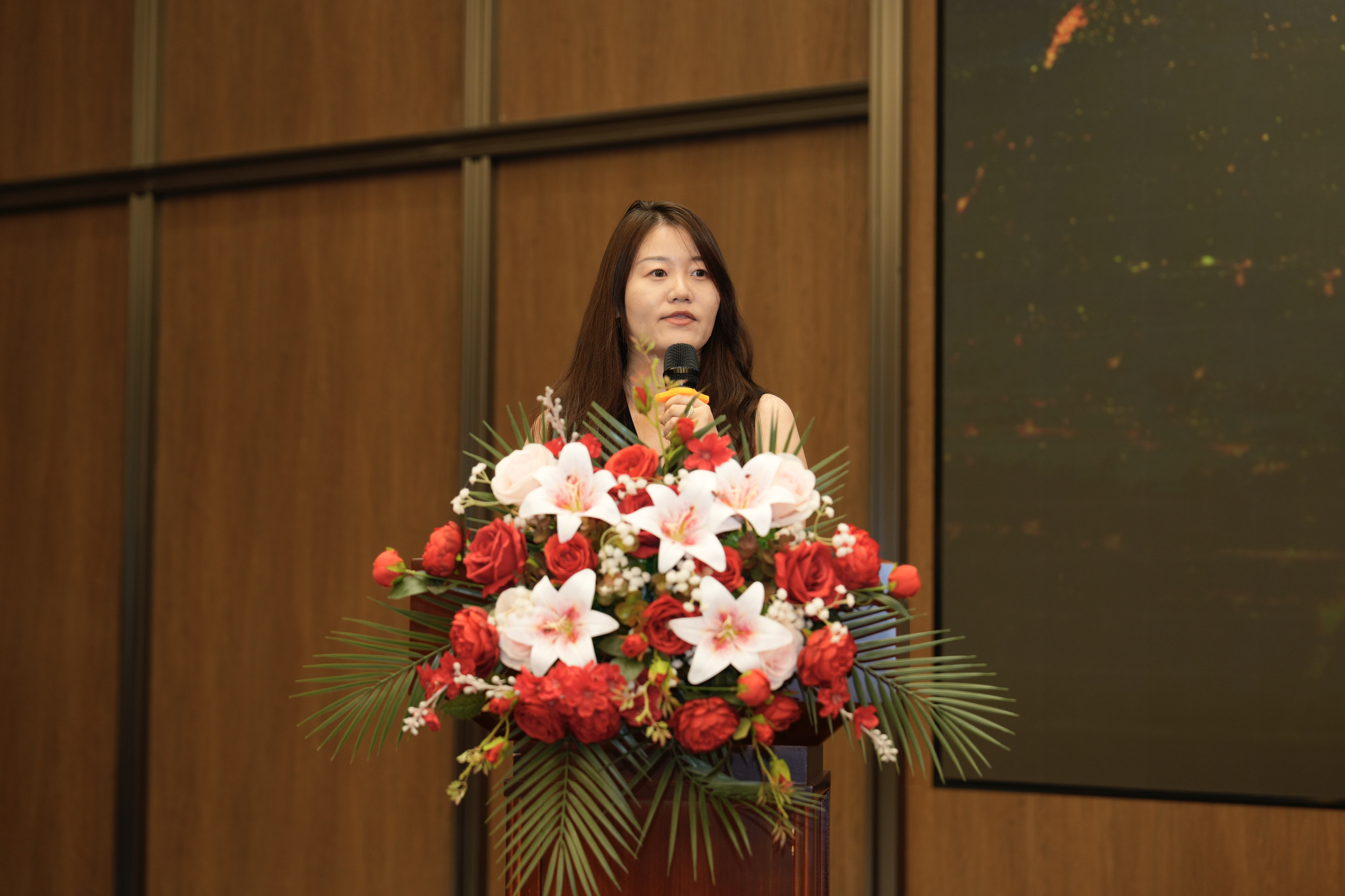 Zhang Yi, Consulting Director of Commercial Translation Business at iFLYTEK, delivered Building a Global Communication Hub to Empower High-Quality International Education. She outlined iFLYTEK’s full-stack multilingual smart-education solutions. The portfolio includes multilingual smart classrooms, real-time simultaneous interpretation for academic conferences, translation microphones for foreign-affairs events and AI-powered smart glasses for day-to-day cross-lingual communication. iFLYTEK’s technology builds language-infrastructure for international higher-education institutions removing cross-language barriers.
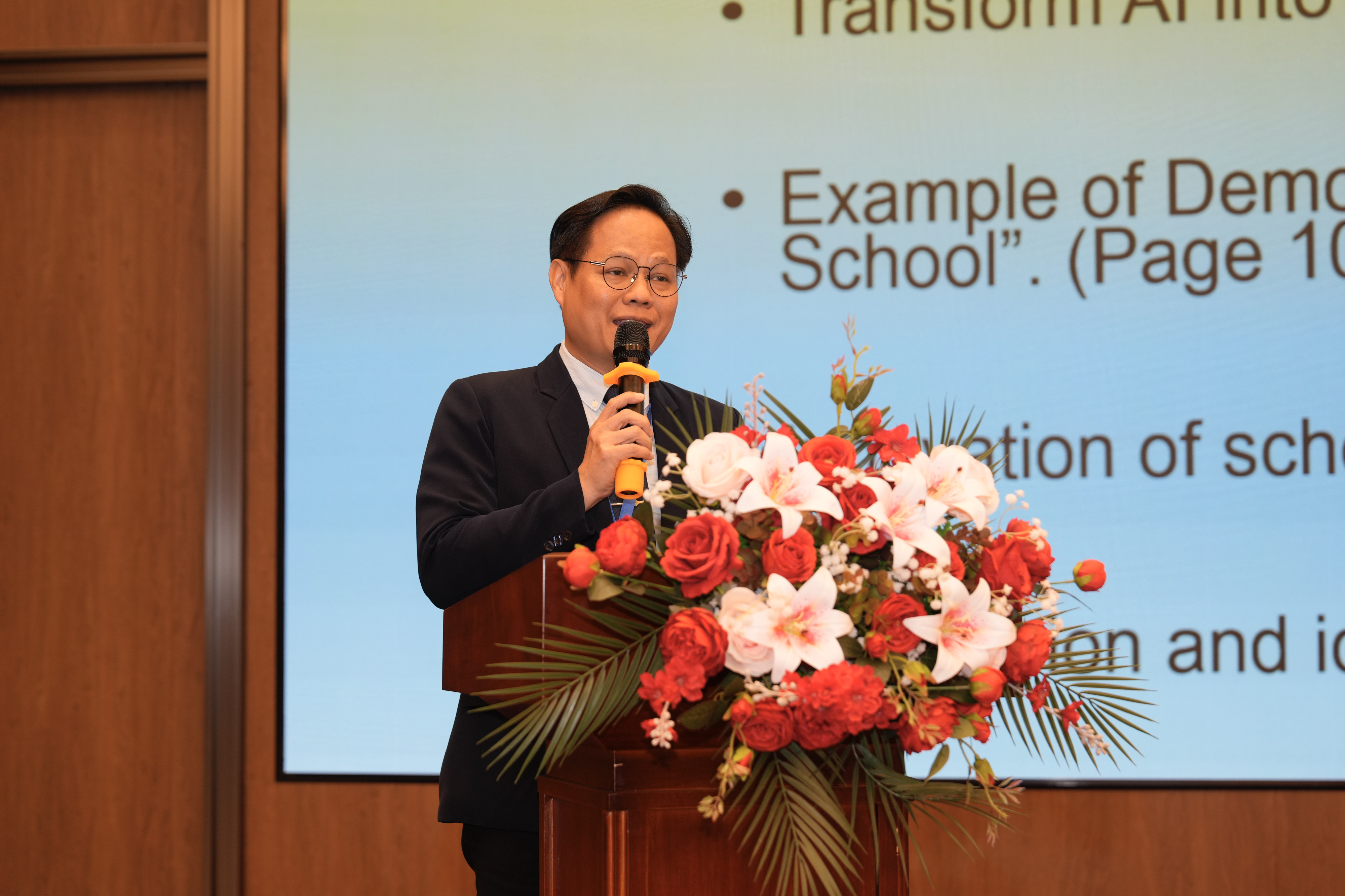 Assistant Professor Dr Sarawut, Deputy Dean for Demonstration School, Faculty of Education, Khon Kaen Universtiy, gave a presentation AI in Education: Perspectives from Thailand. He shared how his institution translates AI into “future-oriented education” through personalised AI-supported learning pathways, hybrid pre-university programmes and innovation-competency training, nurturing globally-minded digital-era citizens.
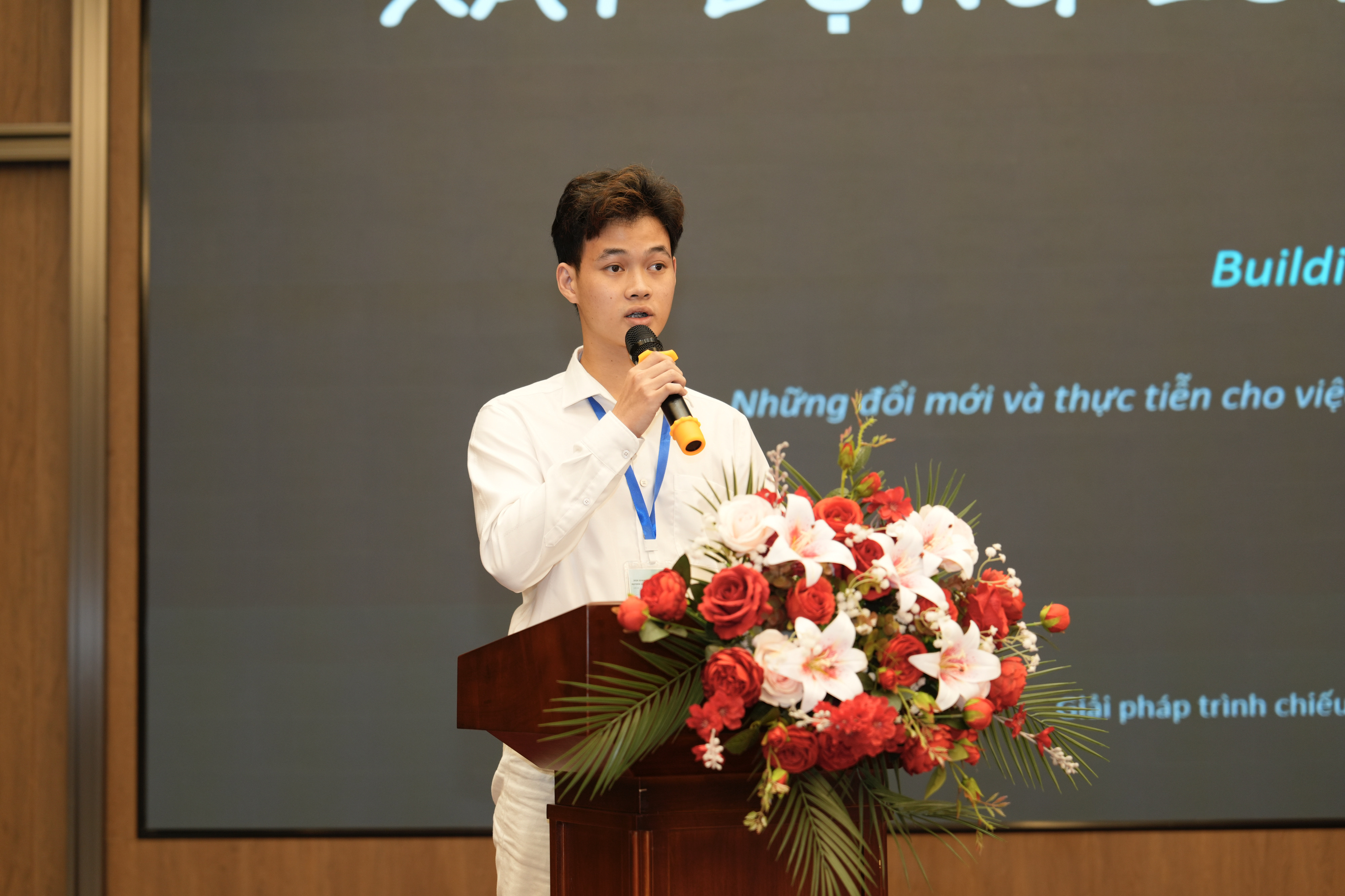 Le Tran Hai An, Chief Business Officer of Vietnam’s HDB Group, presented Building Intelligent Classrooms with AI: Innovations and Practices for Future Learning. He analysed Vietnam’s education-sector constraints including ageing facilities and teacher shortages. He proposed a four-pillar smart-classroom framework covering smart displays, AI audio systems, remote connectivity and data management. He emphasised the shift from standalone hardware to integrated AI-powered ecosystem design for future-ready learning spaces.
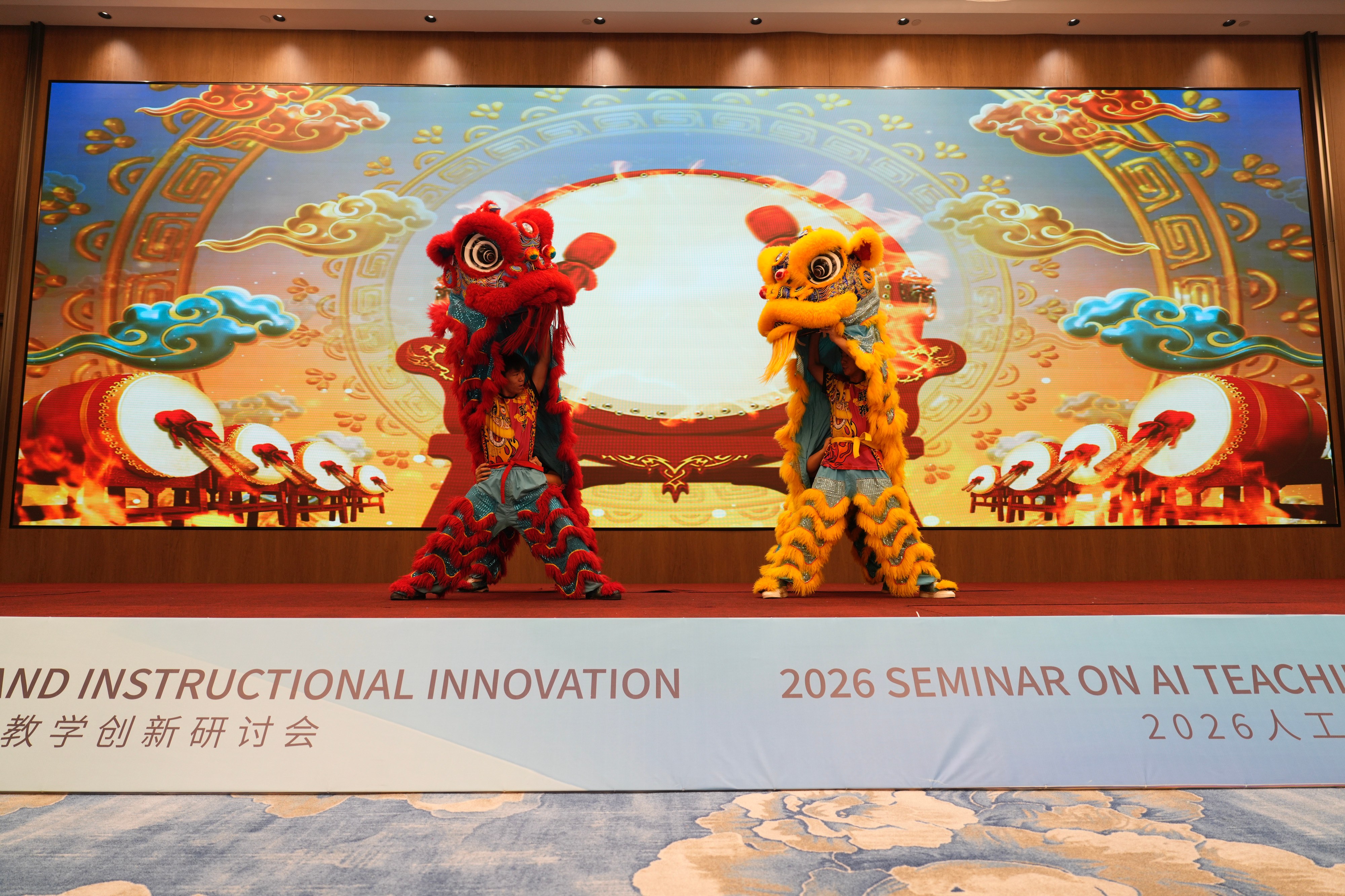
A formal gala dinner was hosted by event organisers in the evening. A certificate-awarding ceremony recognised distinguished guests and organisations for their contributions to the seminar.
Post‑Conference Site Visits: AI‑Empowered Education in Practice
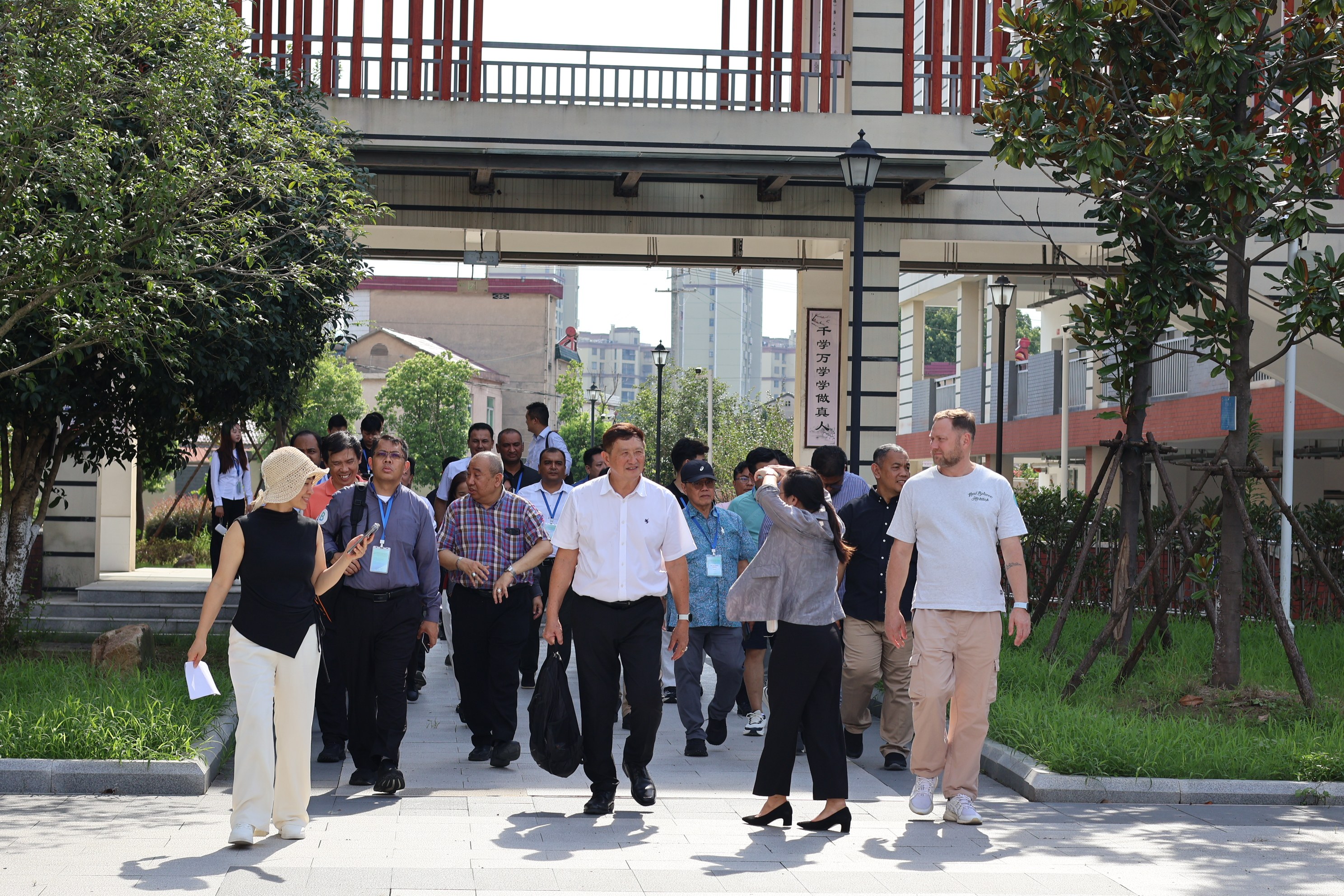 On August 19, the participating delegation embarked on post-conference site visits spanning real-world teaching scenarios as well as industrial R&D and manufacturing, offering a comprehensive view of practical achievements of AI-empowered education.
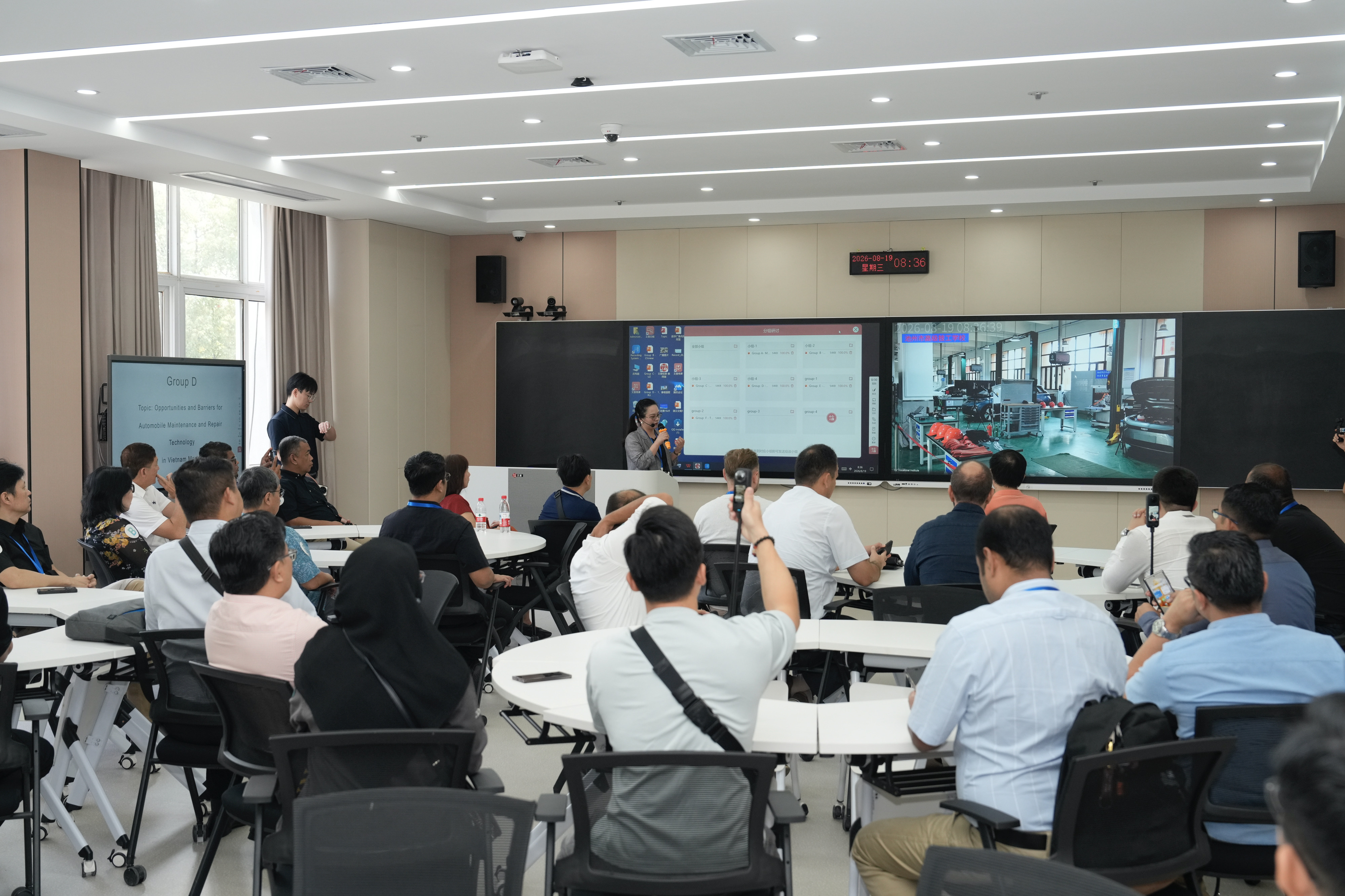 The delegation visited a host of local representative institutions covering higher and basic education sectors. At Chizhou University and Chizhou Vocational and Technical College, guests observed the on-site outcomes of WenTech’s smart-classroom solutions in tertiary settings. By stepping into live classrooms, they gained first-hand experience of how AI transforms day-to-day teaching. Three signature applications were showcased: AI-driven interactive teaching strengthens two-way teacher-student communication and greatly boosts student engagement in class; big data analytics enables precise learning-status diagnosis to generate personalised learning guidance for students; modern teaching facilities including interactive displays, intelligent lecture recording systems and IoT devices work together to build immersive smart-learning environments. The group also toured Chizhou Smart Middle School (No.6 Middle School of Qingyang County) and its digital laboratories. Delegates closely examined the deployment of digital experimental equipment in secondary-school practical sessions and witnessed how digital technology innovates hands-on training within basic education.
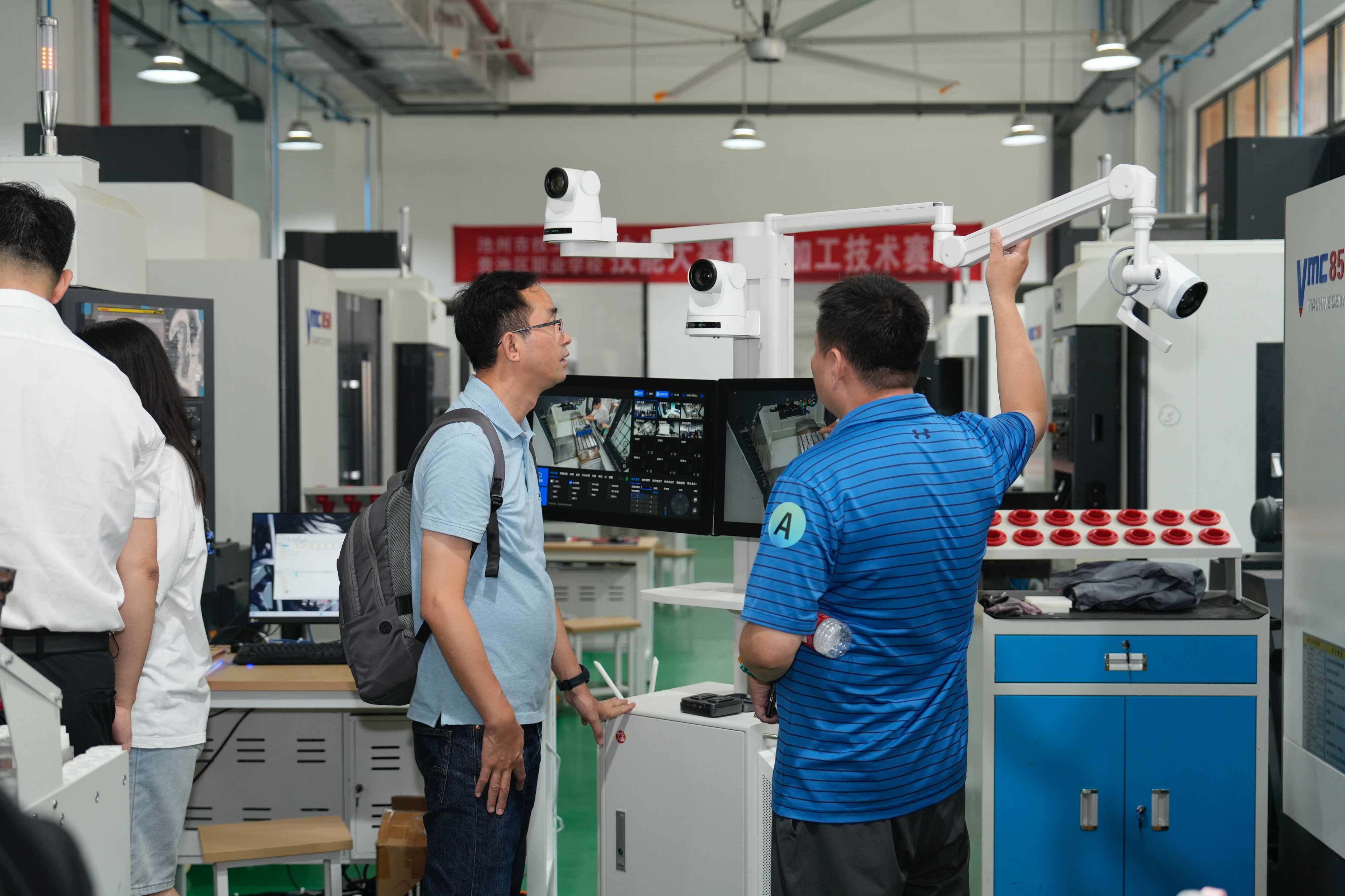
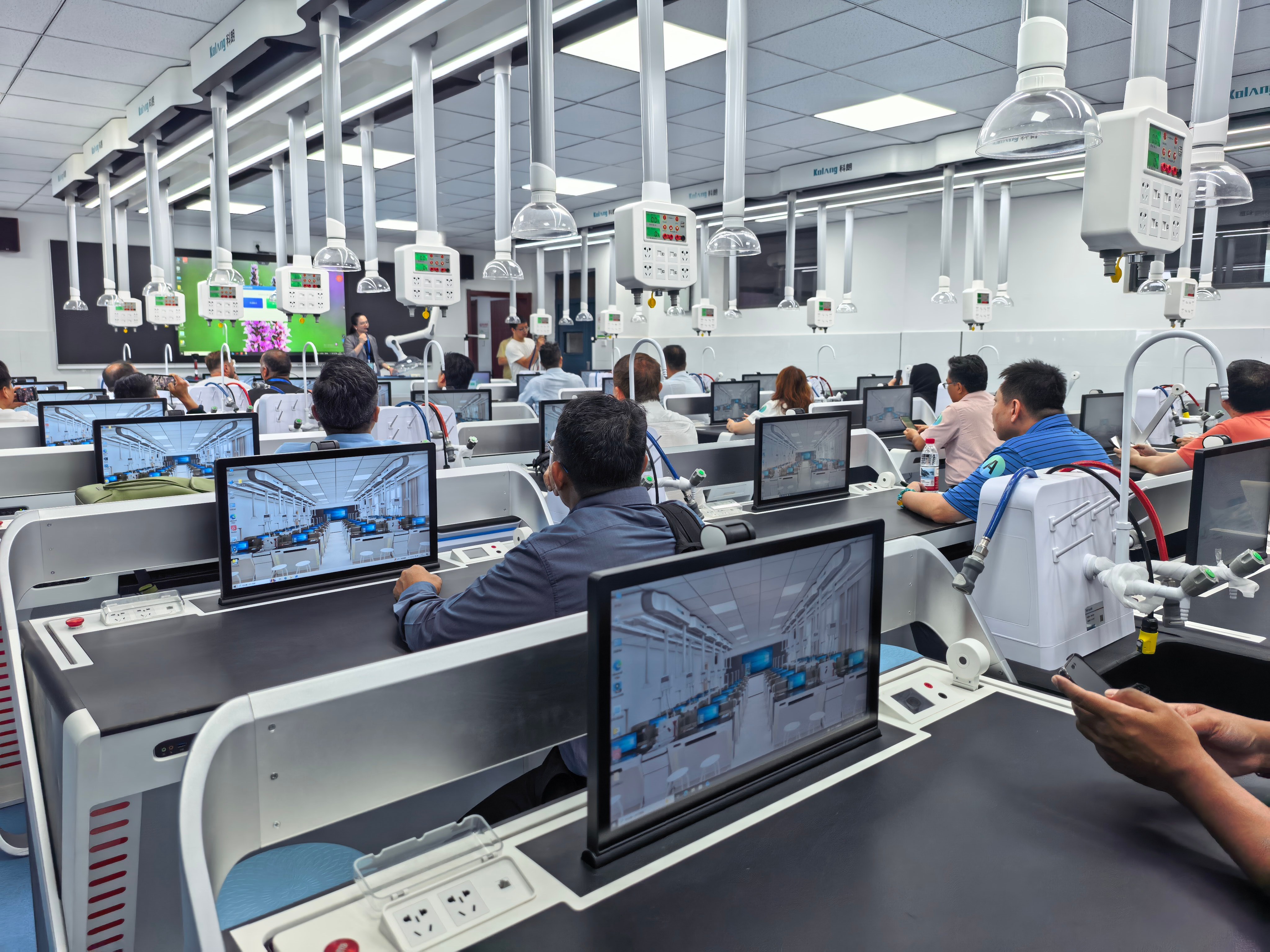
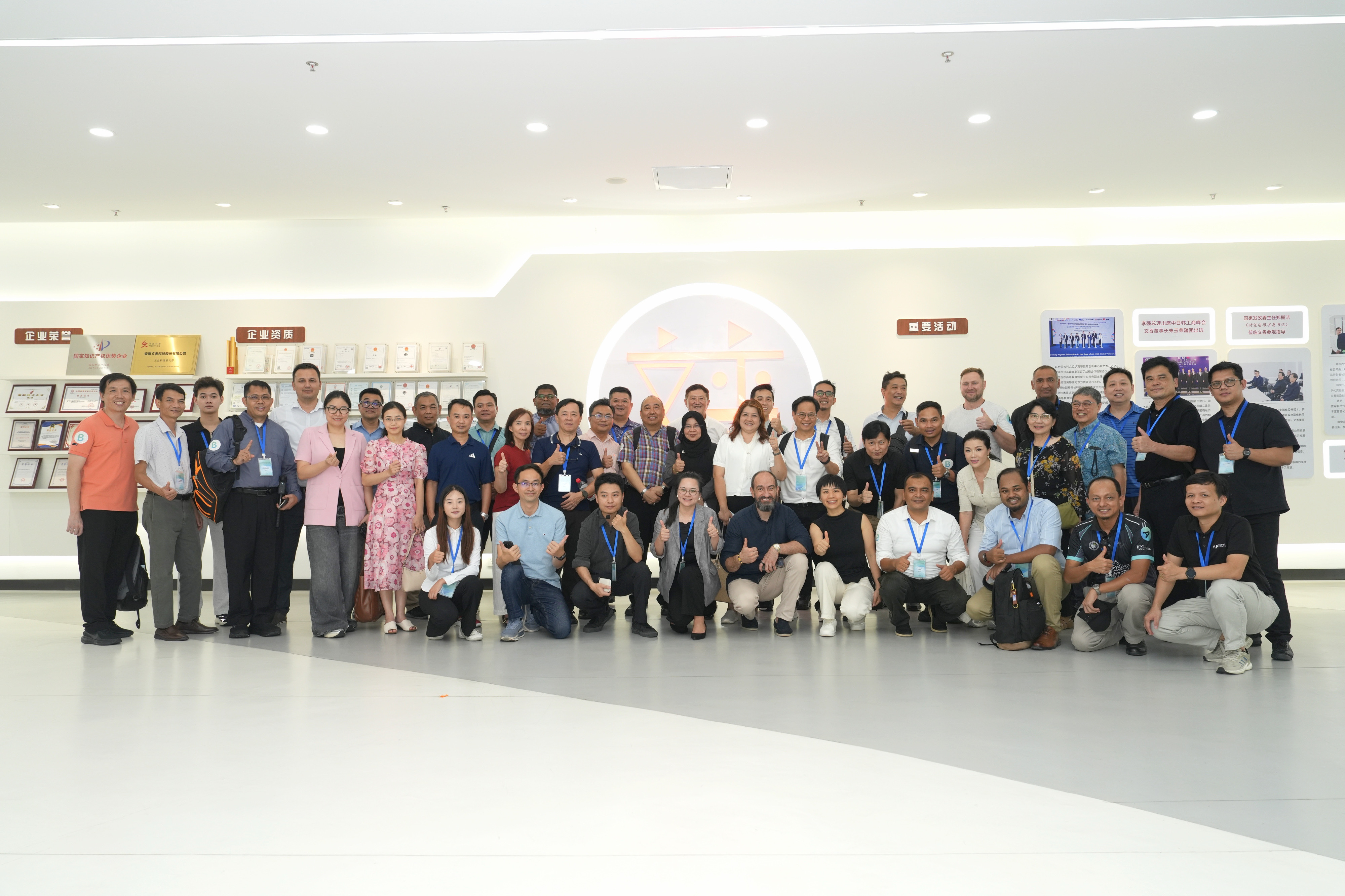
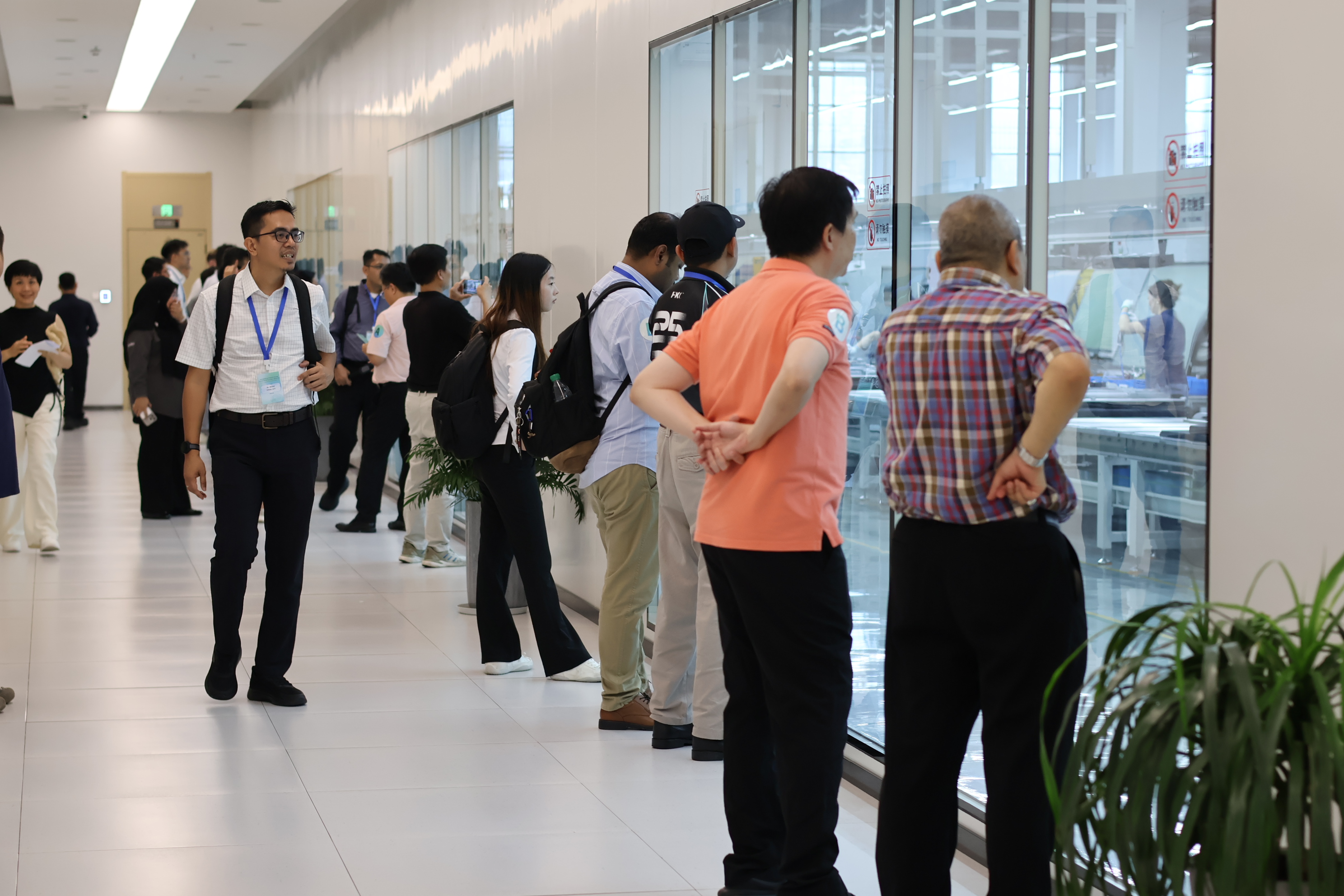
The delegation then proceeded to WenTech Science and Technology Park for an industrial tour. Participants gained systematic insights into WenTech’s full suite of smart campus solutions and toured smart manufacturing workshops to view automated production lines. The visit demonstrated WenTech’s comprehensive strengths as both a hardware manufacturer and an integrated education solution provider, illustrating its complete industrial chain from hardware R&D and manufacturing to solution delivery for diverse educational contexts.Connecting front-line educational practice with industrial innovation, these site visits enabled Chinese and international guests to fully grasp the full loop of turning AI-education concepts into real-world implementation. It also accumulated valuable practical references for future cross-border educational exchange and collaboration.
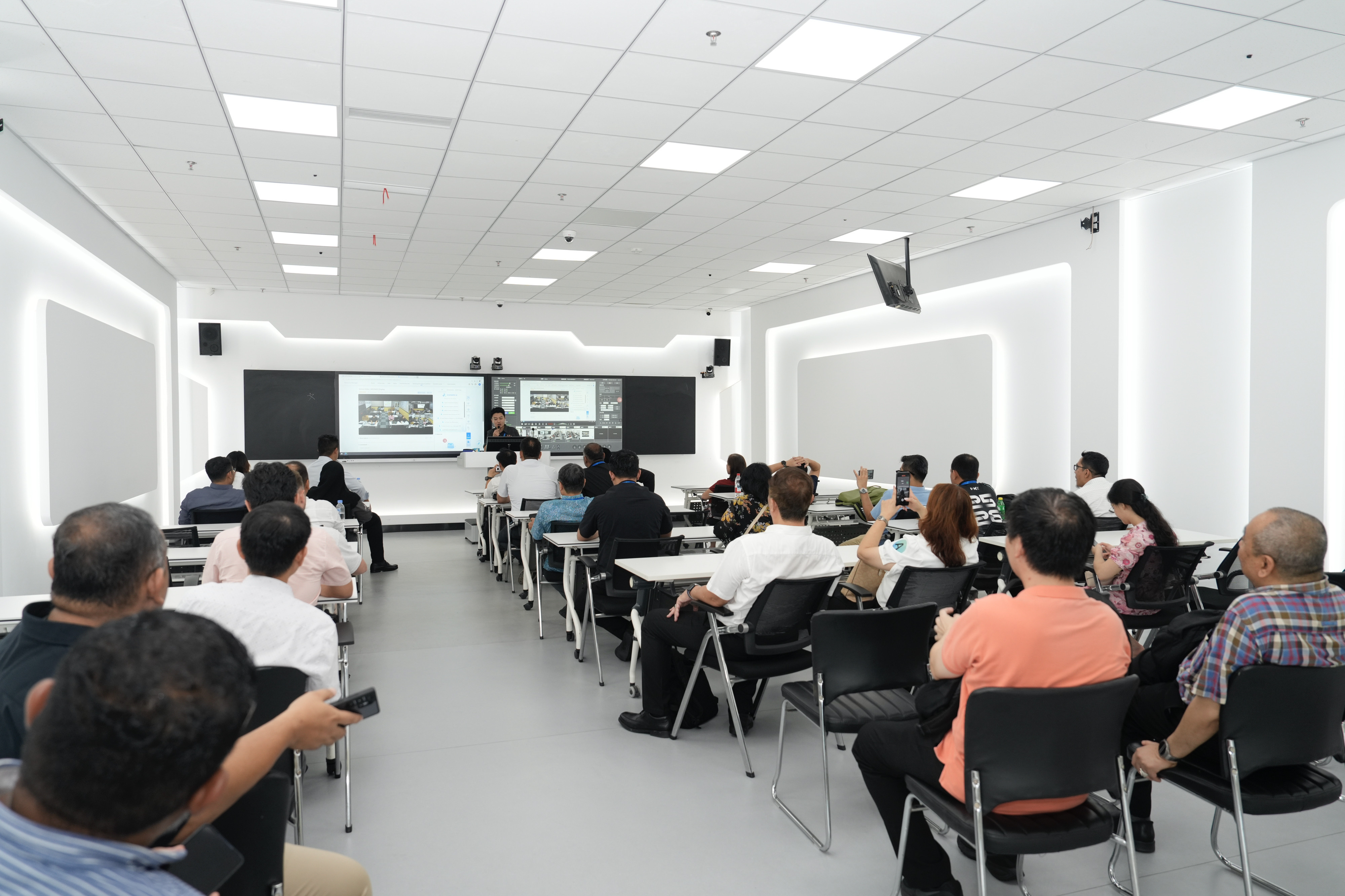
WenTech took deep-rooted part throughout the conference. Beyond demonstrating its technical strengths in AI-enabled education, the company built valuable connections with worldwide peers. Moving forward, WenTech will keep advancing innovation integrating artificial intelligence with real-world education scenarios. Working alongside global partners, it will drive teaching transformation and innovation, contributing Chinese expertise and solutions toward building a fairer, higher quality and more resilient global education system.